How to do a Romanian Deadlift correctly
A hip hinge that lowers a barbell or dumbbells along the legs, loading the hamstrings and glutes with the knees only softly bent.
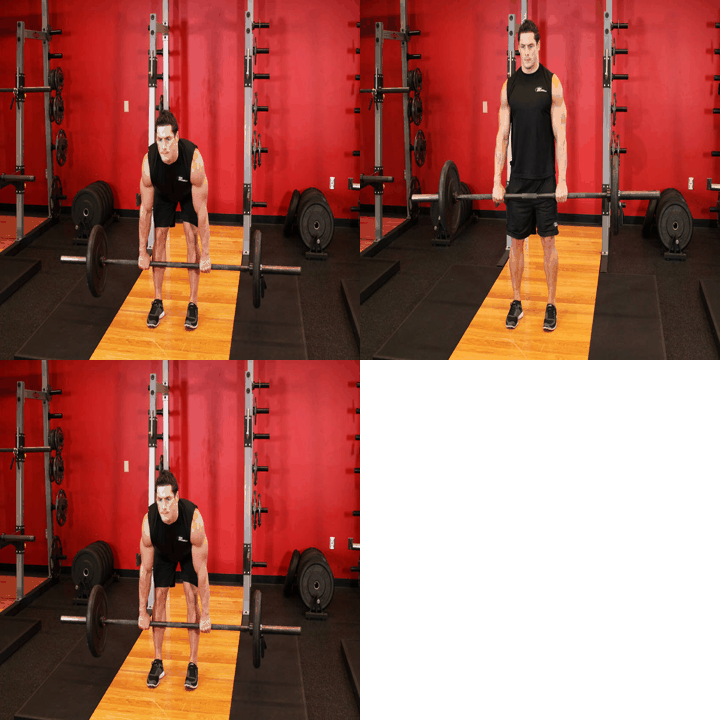
Setup
- Stand with feet about hip-width apart, with the bar or dumbbells in front of your thighs.
- Grip just outside the legs. Brace your core and keep your chest up.
- Soften the knees slightly. Keep that knee bend roughly the same for the whole set.
Execution
- Push your hips back while keeping the bar close to your legs.
- Keep your back flat or neutral. Lower until you feel a stretch in the hamstrings, then stop before your lower back starts to round.
- Drive your hips forward to stand tall, squeezing your glutes at the top.
- Keep the weight moving close to your legs on every rep.
Common mistakes
- Turning the hinge into a squat by bending the knees too much.
- Rounding the lower back as fatigue sets in.
- Letting the bar drift away from the body, which increases the load on the lower back.
- Going lower than your flexibility allows while keeping the back flat.
Muscles worked
Primary: Hamstrings and glutes.
Secondary: Erector spinae (which help keep the spine steady), adductors and forearm muscles.
If you have a current or recent back injury, check with a professional before loading this movement.
Get early access
Get personalised weekly plans, form questions answered in real time and a workout log that adapts to you. PulseLyf is pre-launch: join the waitlist for iPhone and Android.
Join the waitlistMore exercise guides
- How to do a Preacher Curl correctly
- How to do a Goblet Squat correctly
- How to do a Dumbbell Fly correctly
- How to do a Face Pull correctly
- How to do a Hanging Leg Raise correctly
- All exercise guides
Health disclaimer: PulseLyf is an AI coaching tool, not a medical or licensed fitness professional service. It does not diagnose, treat, or replace advice from a doctor or certified trainer. Consult a professional before starting any new exercise program.