How to do a Hanging Leg Raise correctly
A raise from a dead hang that works the hip flexors and lower abdominals. Control matters more than height.
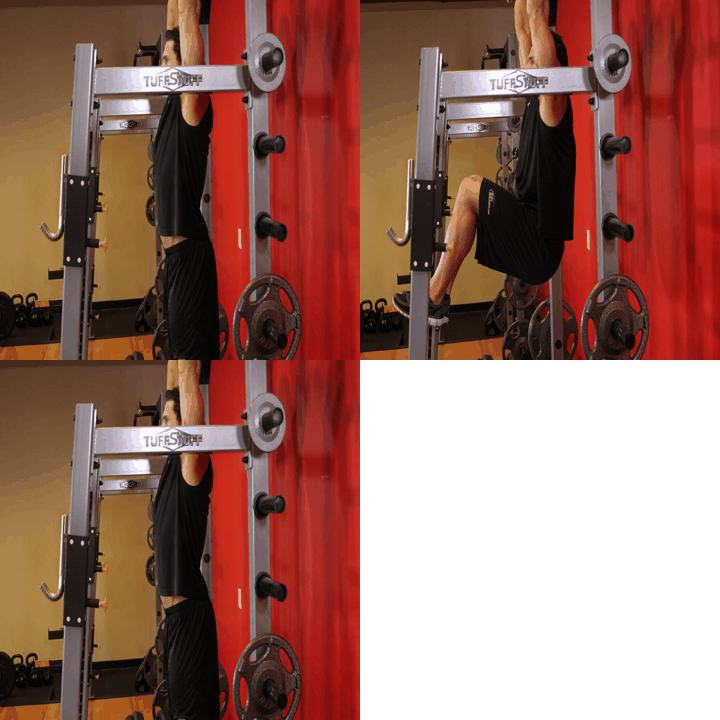
Setup
- Grip a pull-up bar with hands about shoulder-width apart.
- Let your arms hang straight, with your shoulders pulled down and back rather than shrugged up.
- Keep your body as still as you can before you start the lift.
Execution
- Tilt your pelvis slightly back, then raise your legs forward and up.
- Lift until your legs reach about hip height or as high as you can control.
- Pause briefly, then lower slowly without swinging.
- Bend the knees if you need to keep the movement controlled.
Common mistakes
- Swinging the body to build momentum.
- Only lifting the legs without tilting the pelvis, which shifts the work toward the hip flexors.
- Shrugging the shoulders up toward the ears.
- Lowering the legs quickly.
Muscles worked
Primary: Hip flexors (iliopsoas) and lower abdominals.
Secondary: Obliques. Lats, shoulders and forearms help you stay stable.
If you have neck, back, hip or shoulder problems, check with a professional before trying this exercise.
Get early access
Get personalised weekly plans, form questions answered in real time and a workout log that adapts to you. PulseLyf is pre-launch: join the waitlist for iPhone and Android.
Join the waitlistMore exercise guides
- How to do a Preacher Curl correctly
- How to do a Romanian Deadlift correctly
- How to do a Goblet Squat correctly
- How to do a Dumbbell Fly correctly
- How to do a Face Pull correctly
- All exercise guides
Health disclaimer: PulseLyf is an AI coaching tool, not a medical or licensed fitness professional service. It does not diagnose, treat, or replace advice from a doctor or certified trainer. Consult a professional before starting any new exercise program.